If you have ever worked on noise control, hearing protection selection, or vibration testing, you have likely come across the term octave band analyzer. For many years, I have helped engineers and technicians set up their acoustic measurement chains, and choosing the right instrument always starts with a clear understanding of what octave band analysis actually does. An octave band analyzer is essentially a specialized signal analyzer that splits the frequency range into bands whose upper frequency is exactly twice the lower frequency. This constant percentage bandwidth approach matches how the human ear perceives sound and how many international standards define noise limits.
What Is an Octave Band Analyzer?
An octave band analyzer measures sound or vibration energy in a series of frequency bands centered at standard frequencies (e.g., 31.5 Hz, 63 Hz, 125 Hz, 250 Hz, 500 Hz, 1 kHz, 2 kHz, 4 kHz, 8 kHz, 16 kHz). Each band covers a fixed relative width. One-third octave bands provide even finer resolution and are commonly used for detailed noise source identification and building acoustics. The analyzer applies band-pass filters (analog or digital) or uses FFT-based constant percentage bandwidth (CPB) processing to deliver the energy in each band.
Why does this matter? In occupational noise exposure assessment, you need to know the frequency distribution to select the proper hearing protection. In NVH (Noise, Vibration, Harshness) testing, octave band plots reveal how different mechanical components contribute to overall noise. The same instrument can also measure vibration when paired with an accelerometer, making it a versatile tool across multiple industries.
Key Features of a Modern Octave Band Analyzer
Not all analyzers are built the same. When evaluating equipment for octave band analysis, consider the following characteristics that directly affect measurement accuracy and usability.
Filter Type and Bandwidth
Traditional analyzers use analog filter banks, but modern digital analyzers implement real-time digital filters or FFT-based CPB algorithms. The latter often provides simultaneous octave and FFT analysis from the same time waveform. Look for instruments that comply with international standards such as IEC 61672 Class 1 or ISO 266 for octave and one-third octave bands.
Frequency Range and Weighting
A good analyzer should cover at least 20 Hz to 20 kHz for acoustic work, and extend down to sub-1 Hz for vibration measurements. Built-in A, C, and Z frequency weightings are essential for comparing results with regulatory limits.
Comparison of common dynamic signal analyzer series suitable for octave band analysis
| Interface |
Max Channels |
Sampling per Ch. |
IEPE/Charge Support |
| USB 2.0 (ZTU series) |
32 |
Up to 256 kHz |
Yes |
| 100 Mbps Network (ZTN series) |
16 |
Up to 128 kHz |
Yes |
| Gigabit Network (ZTG series) |
8 |
Up to 256 kHz |
Yes |
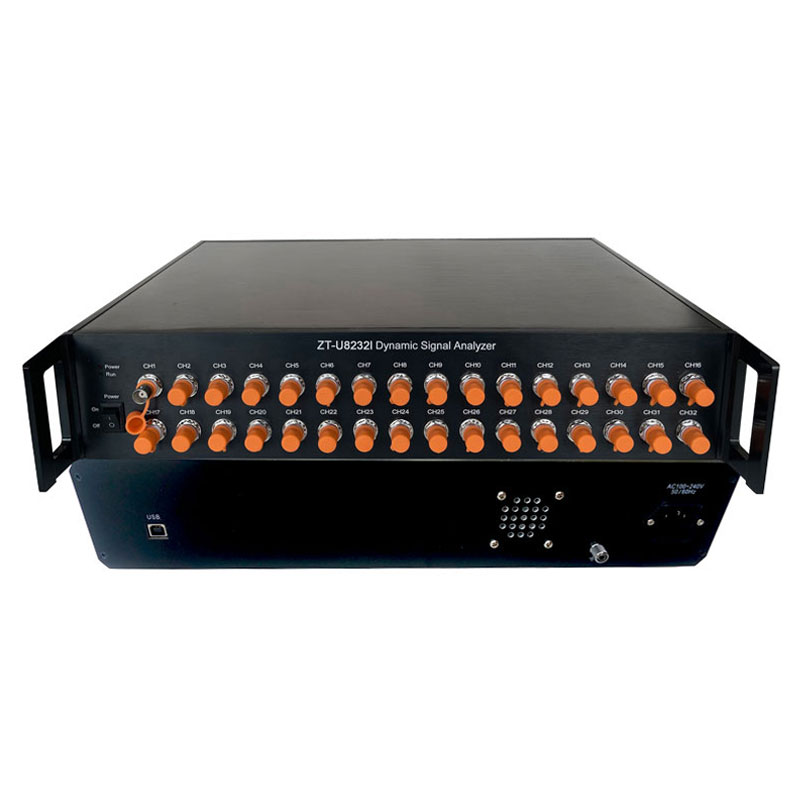
Our ZT series dynamic signal analyzers, for instance, are designed to handle both acoustic and vibration inputs seamlessly. The integrated IEPE (ICP) supply and charge input options allow you to connect microphones and accelerometers without external signal conditioners.
Real-Time Dual Analysis
One of the most valuable capabilities in modern octave band analyzers is simultaneous real-time FFT and octave band processing. This lets you see the narrowband spectrum for diagnostic purposes while also obtaining the standardized octave band results for reporting. Many of our instruments output both results in parallel, saving significant time during field measurements.
Applications of Octave Band Analysis
Having built measurement systems for clients in aerospace, automotive, energy, and research institutions, I have seen octave band analysis used in three main scenarios.
Occupational Noise Assessment
Workplace noise regulations often specify permissible exposure limits at different octave bands. Using a calibrated analyzer with a class 1 microphone, you can map the noise spectrum around machinery and determine the required hearing protection attenuation.
NVH and Product Development
In automotive NVH, octave band analysis helps identify which frequency ranges contribute most to cabin noise. Combining this with order tracking and modal analysis gives engineers a complete picture. Our complete testing solutions include both the analyzer hardware and the software needed for such multi-domain analysis.
Acoustic Comfort and Building Acoustics
For concert halls, offices, and residential buildings, one-third octave band measurements are used to evaluate sound insulation, reverberation time, and background noise. Portable analyzers with long battery life and remote connection capabilities are preferred here.
Choosing the Right Octave Band Analyzer for Your Needs
There is no one-size-fits-all solution. The selection depends on the number of measurement channels required, the need for portability, and the type of sensors you intend to use. Let me walk you through a typical decision process.
Channel Count
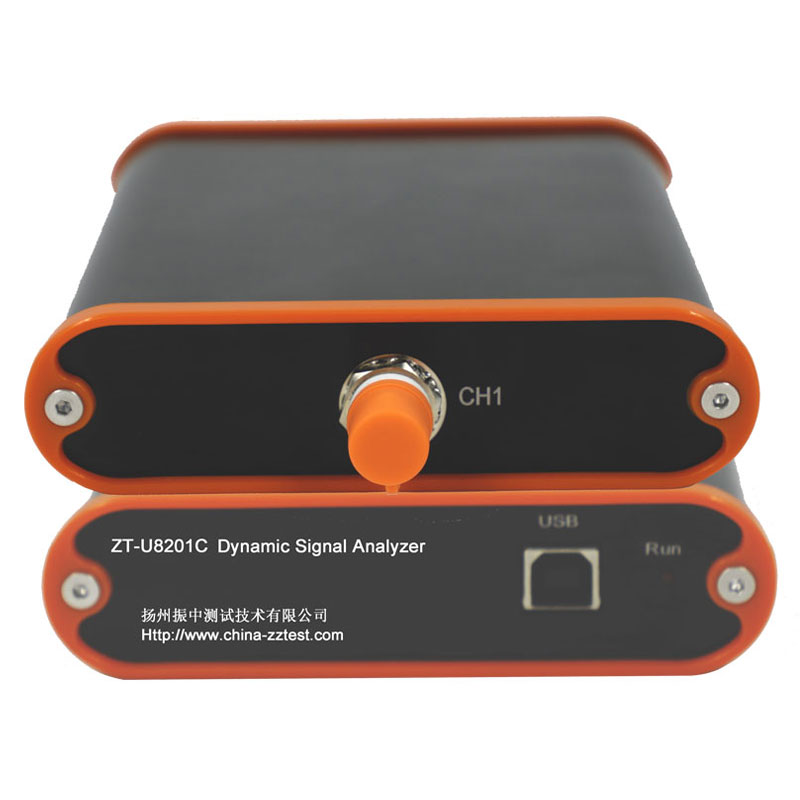
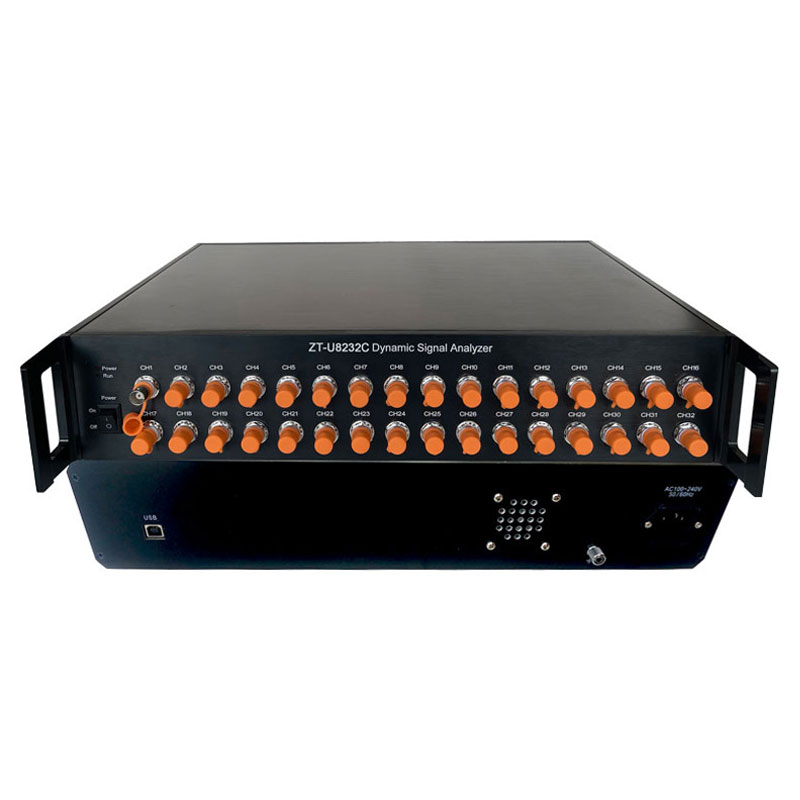
For simple single-point noise surveys, a 2‑channel analyzer is sufficient. For multi-point acoustic mapping or vibration testing with multiple accelerometers, models offering 4, 8, 16, or 32 channels save time. Our USB 2.0 series, for example, includes compact 4‑channel units like the 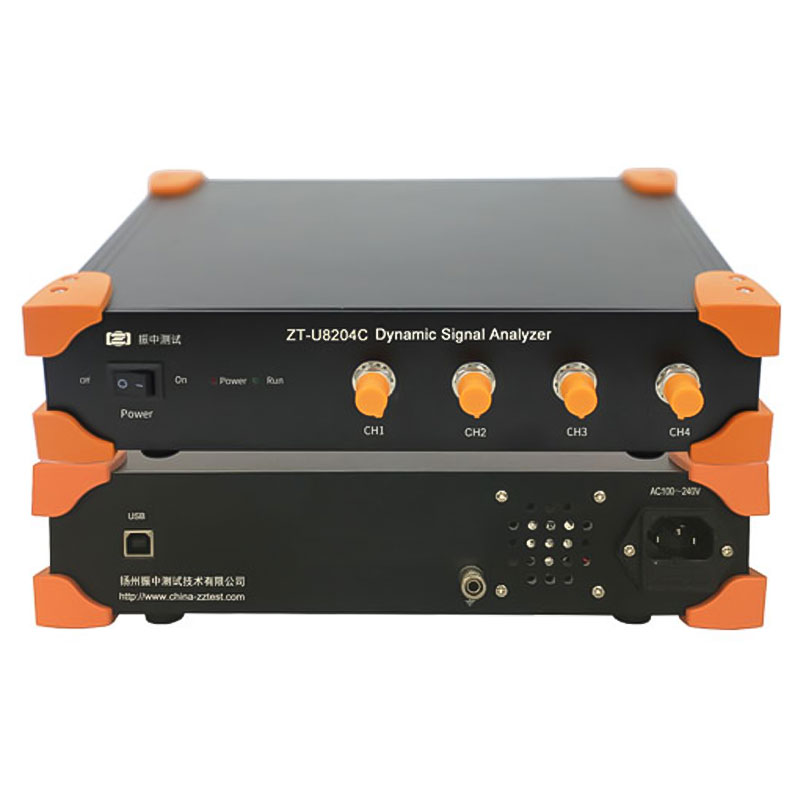 ZT-U8204C Industrial-Grade Four-Channel Dynamic Signal AnalyzerThis USB 2.0 analyzer offers four channels with voltage, IEPE, and charge inputs, making it ideal for field-based multi-point acoustic mapping or vibration testing.View Product → that are ideal for field use.
Network Connectivity
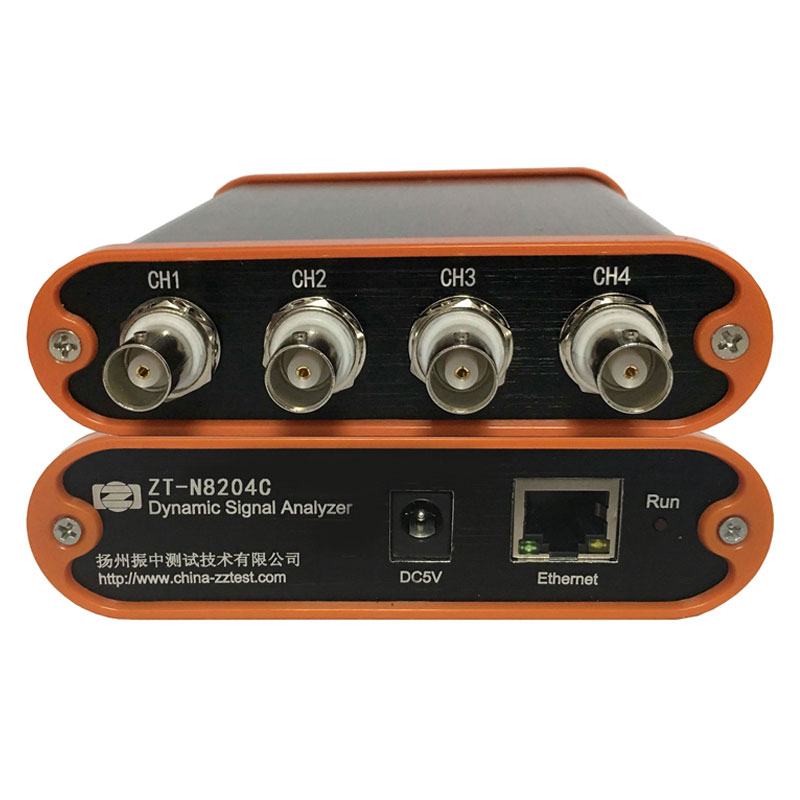
If you need to monitor rotating machinery remotely or build a distributed measurement network, networked analyzers with 100 Mbps or Gigabit Ethernet interfaces allow centralized data collection. The 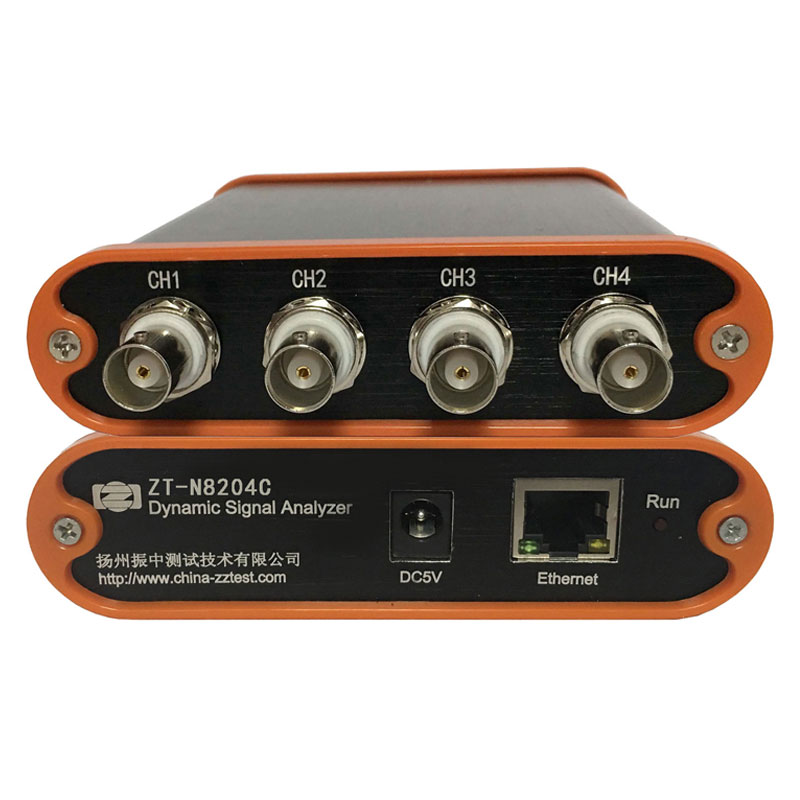 ZT-N8204C Multi-Channel Data Acquisition and Dynamic Signal AnalyzerWith Gigabit Ethernet connectivity and a compact, low-noise design, this analyzer supports remote monitoring and distributed measurement networks for high-frequency octave bands.View Product → is a popular choice for such setups.
High‑Channel and High‑Speed Requirements
Laboratories or test facilities that require simultaneous acquisition from many accelerometers or microphones often opt for the Gigabit Ethernet series with higher per-channel sampling rates. The 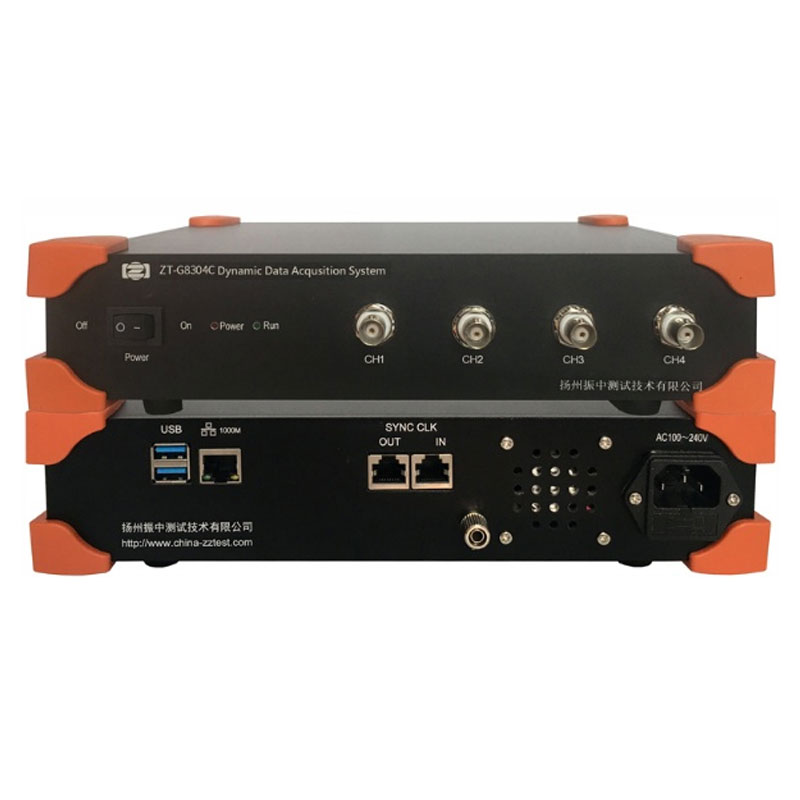 ZT-G8304C Compact Dynamic Signal AnalyzerThis compact four-channel analyzer features dual-mode input and adjustable gain, suitable for laboratory high-frequency octave band analysis up to 20 kHz.View Product → combines compact size with low noise, making it suitable for high-frequency octave bands up to 20 kHz.
For those just getting started, we also provide a detailed guide on how a vibration shaker works, which complements octave band analysis in modal testing.
In my experience, a successful octave band measurement campaign depends as much on the instrument as on the preparation and calibration. Always check the sensor sensitivity and perform a field calibration before each session. With the right analyzer in hand, you can confidently characterize noise and vibration across the entire frequency range of interest, whether you are designing quieter products, ensuring workplace safety, or validating acoustic design goals.

 English




















 Address : No. 85, Hetao West Road, Hanjiang District, Yangzhou City, Jiangsu Province, China
 Phone: +86-0514-85764839
 Tel: +86-0514-85764839
 Email: sales@china-zztest.com
